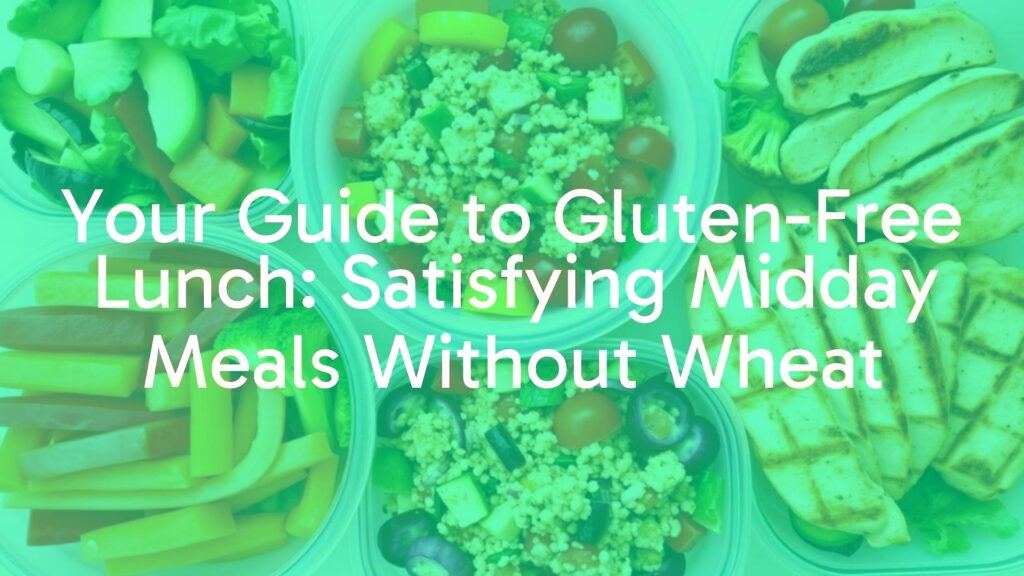
Introduction: Crafting a Delicious Gluten-Free Lunch
Lunchtime is a crucial part of the day—whether you’re at home, at work, or on the go, it provides the fuel to keep you energized and productive. For those following a gluten-free diet, finding safe and satisfying lunch options can sometimes seem challenging. However, with awareness and some creative ideas, a gluten-free lunch can be vibrant, varied, and wholly enjoyable. This guide explores what defines a gluten-free lunch, highlights naturally gluten-free ingredients, pinpoints common pitfalls, and offers inspiring ideas to keep your midday meal both safe and exciting.
Understanding Gluten-Free Eating
Gluten is a protein found in wheat, barley, and rye. People are advised to follow a gluten-free diet if they have celiac disease, gluten sensitivity, or wheat allergies. For them, even tiny amounts of gluten can cause adverse reactions. A strict gluten-free diet means more than skipping bread—it requires understanding ingredient lists, preparation methods, and hidden sources of gluten.
What Makes Lunch Gluten-Free?
A truly gluten-free lunch avoids all ingredients containing wheat, barley, and rye. This includes common grain-based staples like regular bread, wraps, pasta, breadcrumbs, and most crackers. A balanced gluten-free lunch prioritizes naturally gluten-free foods—think proteins, vegetables, fruits, and naturally gluten-free grains like rice or quinoa. Many classic lunch options can be adapted; the key is in choosing gluten-free ingredients and checking for hidden gluten in condiments, sauces, and sides.
Naturally Gluten-Free Foods for Lunch
Building a gluten-free lunch is easy when you know which foods are safe. Some perfect options include:
- Fresh Proteins: Grilled chicken, turkey, tuna, hard-boiled eggs, beans, tofu, or cottage cheese.
- Vegetables: Leafy greens, tomatoes, cucumbers, peppers, carrots, and roasted root vegetables.
- Fruits: Apples, berries, oranges, grapes, melon, and sliced bananas.
- Gluten-Free Whole Grains and Starches: Quinoa, brown or white rice, corn, potatoes, certified gluten-free oats, and polenta.
- Nuts and Seeds: Almonds, walnuts, pumpkin seeds, sunflower seeds, and natural nut butters.
- Dairy Products: Cheese, plain yogurt, and milk are generally gluten-free (always check flavorings or add-ins).
Common Gluten Sources to Avoid in Lunch
To keep your lunch gluten-free, beware of foods and ingredients that often contain gluten:
- Regular breads, wraps, and rolls (unless labeled gluten-free)
- Flour tortillas and some crackers
- Pasta, noodles, and couscous made from wheat, barley, or rye
- Breaded meats, fish sticks, or veggie patties with wheat crumbs
- Soups and sauces thickened with wheat flour
- Pre-made salads with croutons or pasta
- Some deli meats or spreads containing gluten as a stabilizer
Navigating Hidden Gluten & Cross-Contamination
Gluten can sneak into lunches in unexpected ways. Shared toasters or sandwich presses, cutting boards, and buffet lines can introduce gluten through cross-contact. Packaged foods may contain hidden gluten as thickeners, flavored seasonings, or fillers. Protect yourself by:
- Reading labels carefully—look for certified gluten-free symbols
- Asking about preparation methods at delis or cafeterias
- Preparing food at home when possible
- Using separate utensils and storage for gluten-free options
Popular Gluten-Free Lunch Ideas
There’s no limit to creative gluten-free lunches. Consider these enticing concepts:
- Salad Bowls: Mix leafy greens, grilled chicken, quinoa, nuts, and a vinaigrette for a power-packed bowl.
- Gluten-Free Wraps: Use corn tortillas or large lettuce leaves as wraps for your favorite fillings—think turkey, avocado, and veggies.
- Rice and Bean Bowls: Combine seasoned rice, black beans, roasted vegetables, salsa, and shredded cheese.
- Bento Boxes: Arrange cubed cheese, hard-boiled eggs, veggie sticks, fruit slices, and gluten-free crackers.
- Egg-Based Options: Frittatas or crustless quiche slices make portable protein-rich lunches.
- Soup and Side: Enjoy a hearty homemade vegetable or lentil soup served with a side salad or gluten-free roll.
Tips for Enjoying Gluten-Free Lunch
Ease and safety come with planning. Here are some tips:
- Batch cook and portion lunches for the week
- Stock your pantry with gluten-free essentials (e.g., rice cakes, canned beans)
- Use meal prepping containers to keep ingredients separate
- Label your food clearly at home or work to avoid mix-ups
Eating Gluten-Free Lunch When Dining Out
Eating lunch away from home can be stress-free with a few steps:
- Check menus online for gluten-free designations before visiting
- Ask staff if gluten-free options are prepared separately
- Specify your need for strictly gluten-free meal prep
- Choose naturally gluten-free dishes (grilled meats, salads without croutons, rice bowls)
Frequently Asked Questions about Gluten-Free Lunch
- Can I eat leftovers for a gluten-free lunch? Yes—just ensure the original meal was gluten-free and stored separately from gluten-containing foods.
- Are all gluten-free breads and tortillas safe? Only if labeled “gluten-free” and processed in a gluten-free facility. Read labels for allergen statements.
- How do I avoid getting bored with gluten-free lunches? Vary your proteins, vegetables, and grains; try global flavors and build colorful plates.
- Can I bring gluten-free lunch to work or school? Absolutely! Pack in airtight containers and use an insulated bag if needed for freshness.
Conclusion
A gluten-free lunch can be as effortless, tasty, and nourishing as any other meal—sometimes even more so, thanks to all the fresh, whole foods involved. With awareness and creativity, there’s no limit to the combinations and flavors you can enjoy. Remember to stay mindful of hidden sources of gluten, plan ahead, and try new ideas to keep lunch exciting and safe every day.
