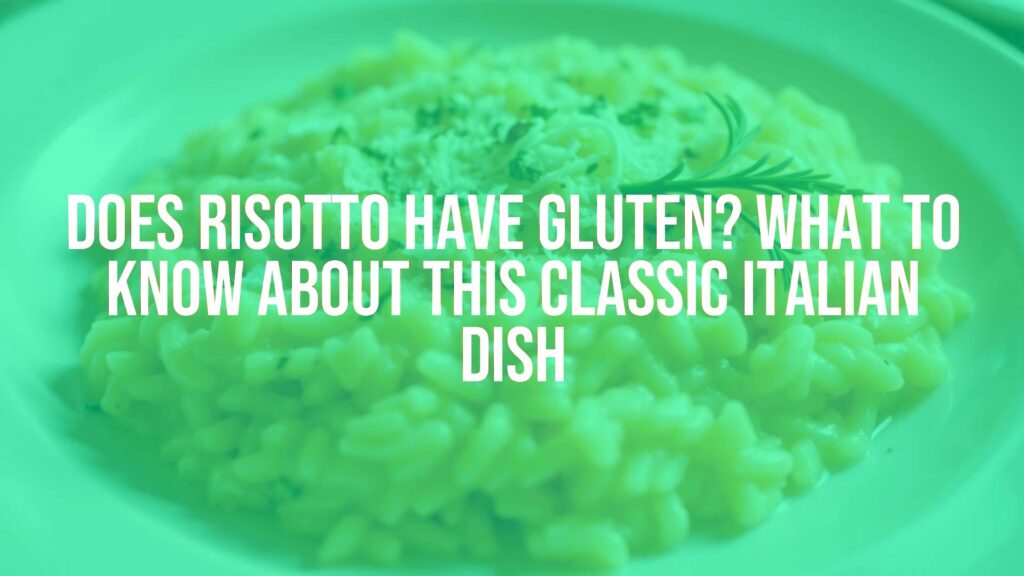
Is Risotto Gluten-Free? The Essential Answer
Risotto is a beloved Italian rice dish enjoyed worldwide, but if you follow a gluten-free diet, you might wonder: does risotto contain gluten? The straightforward answer is that traditional risotto made with just rice, broth, cheese, butter, and vegetables or meat is naturally gluten-free. However, there are important caveats. Some risotto recipes or restaurant preparations may include ingredients that contain gluten or may be contaminated during preparation. In this article, we’ll take a closer look at why risotto is typically safe for gluten-free diets, where gluten might sneak in, and how to enjoy risotto worry-free.
Understanding Gluten: What Is It and Where Is It Found?
Gluten is a group of proteins found in certain grains, mainly wheat, barley, and rye. It provides elasticity and structure to baked goods. Gluten is not present in all grains; naturally gluten-free grains include rice, corn, quinoa, and others. Processed foods, sauces, and even seasonings can sometimes contain hidden gluten, making vigilance essential for those sensitive to it.
Risotto and Gluten: What’s the Real Story?
Is Risotto Rice Naturally Gluten-Free?
At its core, risotto is made with short-grain rice varieties such as Arborio, Carnaroli, or Vialone Nano. All rice is naturally gluten-free, including the types used for risotto. This means that the grain itself is safe for people avoiding gluten.
What About The Other Ingredients?
Classic risotto is typically prepared with rice, broth (vegetable, chicken, or beef), butter or olive oil, onion, white wine, Parmesan cheese, and various vegetables or proteins. Most of these ingredients are naturally gluten-free, but you should always confirm:
- Broth/Stock: Some commercial broths may contain wheat-based thickeners or flavorings.
- Wine: Most wines are gluten-free, but very rarely, gluten-containing fining agents are used. This is uncommon.
- Cheese and Butter: Pure forms are safe, but processed varieties or blends can sometimes have additives.
Risotto Variations and Potential Gluten Sources
Some risotto recipes might include ingredients like sausages, bouillon cubes, or flavor packets—all of which could contain gluten. Additionally, in restaurants, risotto may be finished with sauces or garnishes containing flour, or thickened with a roux (a mixture of flour and fat).
Why Is Avoiding Gluten Important?
People with celiac disease must strictly avoid gluten, as even small amounts can trigger an autoimmune reaction. Others experience symptoms from gluten due to non-celiac gluten sensitivity or wheat allergy. For these groups, inadvertent gluten intake—even in trace amounts—can have significant health consequences.
Risks of Hidden Gluten and Cross-Contamination in Risotto
Cross-Contact in Restaurants and Home Kitchens
Even if all ingredients in your risotto are gluten-free, there’s a risk of cross-contact:
- Shared Cooking Surfaces: Risotto made in a pan used for gluten-containing dishes can be contaminated.
- Utensils: Stirring or serving risotto with spoons or ladles previously used with pasta may transfer gluten.
Added Ingredients to Watch For
- Thickeners: Occasionally, flour or a roux might be used to give the dish a creamier texture.
- Processed Meat or Broth: Some sausages, cold cuts, or packaged broths may have fillers or flavorings that contain gluten.
- Flavorings and Seasonings: Some mixed seasonings or bouillon powders include wheat-derived ingredients like maltodextrin or barley malt.
Strategies for Enjoying Risotto Gluten-Free
- Check Labels: Always inspect packaging for all ingredients, especially broth, sausages, cheeses, and seasonings. Look for a gluten-free label or certification.
- Choose Simple Recipes: Make risotto from scratch with fresh, whole ingredients to control what goes into your dish.
- Ask Questions at Restaurants: Ensure that no wheat flour, barley malt, or gluten-containing broths are used, and that preparation avoids cross-contact.
- Avoid Pre-Made or Instant Risotto Mixes: Many packaged risottos contain wheat starch or other gluten sources.
- Cook at Home: Home-cooked risotto lets you control every ingredient and avoid cross-contamination.
Frequently Asked Questions About Risotto and Gluten
1. Is traditional restaurant risotto always gluten-free?
No. Ingredients like broth, thickeners, or finishing sauces may contain gluten, and preparation areas may introduce cross-contact.
2. Are all rice varieties used in risotto gluten-free?
Yes. Arborio, Carnaroli, and Vialone Nano are all naturally gluten-free rice varieties.
3. Can I eat packaged risotto mixes on a gluten-free diet?
Not always. Many include wheat starch, modified food starch, or barley malt, so check labels carefully and only buy certified gluten-free brands.
4. How do I ensure risotto is gluten-free in a restaurant?
Ask about all ingredients, cooking methods, and whether pans and utensils are used exclusively for gluten-free dishes.
Key Points to Remember About Risotto and Gluten
- Plain risotto made from scratch with rice, broth, cheese, butter, and safe add-ins is naturally gluten-free.
- Risks arise from cross-contamination and added ingredients like broths, flavorings, or processed meats.
- Careful ingredient sourcing, label reading, and communication with restaurants are crucial for staying gluten-free.
- When in doubt, choose certified gluten-free products or prepare risotto at home to minimize risks.
By understanding where gluten might appear in risotto and practicing careful food selection, you can continue to enjoy this creamy Italian classic safely on a gluten-free diet.
